Ever walked into a friend’s apartment and thought, “How did they get that effortlessly glamorous vibe—without hiring a $200/hour designer?” You’re not alone. I spent three months redesigning my sunroom around art deco modern decor, only to realize halfway through that my “vintage chrome” lamp base was actually 1980s mass-produced brass-plated junk—and it clashed violently with the geometric walnut console I’d sourced from a real 1932 Parisian atelier. The mismatch didn’t just look off—it killed the whole mood. That misstep taught me something critical: true art deco modern decor isn’t about slapping on mirrored surfaces and zigzags. It’s about balancing historical integrity with contemporary livability—and doing it without turning your living room into a museum diorama. In this guide, you’ll learn exactly how to fuse 1920s sophistication with today’s comfort standards—no design degree required. We’ll cover why this aesthetic matters more than ever in home improvement, walk through a foolproof 5-step curation process, share pro-tested tips (plus one terrible tip you’ll want to avoid), examine a documented room transformation, and answer the questions real homeowners ask before committing.
Table of Contents
- Why Art Deco Modern Decor Is Reshaping Home Improvement
- Your Step-by-Step Curation Guide
- 6 Practical Tips for Lasting Impact
- Real Results: A 215-Sq-Ft Living Room Transformation
- Frequently Asked Questions
Why Art Deco Modern Decor Is Reshaping Home Improvement
In an era where homes double as workspaces, wellness zones, and social hubs, aesthetics now serve functional psychology—not just vanity. According to a 2023 study published by the Architectural Record and verified by the American Society of Interior Designers, rooms featuring intentional symmetry, layered metallic finishes, and tactile contrast (core markers of art deco modern decor) increased perceived spaciousness by up to 22% and reduced self-reported stress during remote work hours. This isn’t retro nostalgia—it’s evidence-based environmental design. For homeowners upgrading older properties—especially those built between 1925–1945—leveraging art deco modern decor helps honor architectural bones while meeting 21st-century expectations for warmth and flexibility. The trend is also gaining traction in multifamily renovations: per HUD’s 2024 Multifamily Design Benchmark Report, units styled with curated art deco modern decor saw 18% longer lease retention versus generic “contemporary” staging.
Your Step-by-Step Curation Guide
Step 1: Audit Your Architecture First
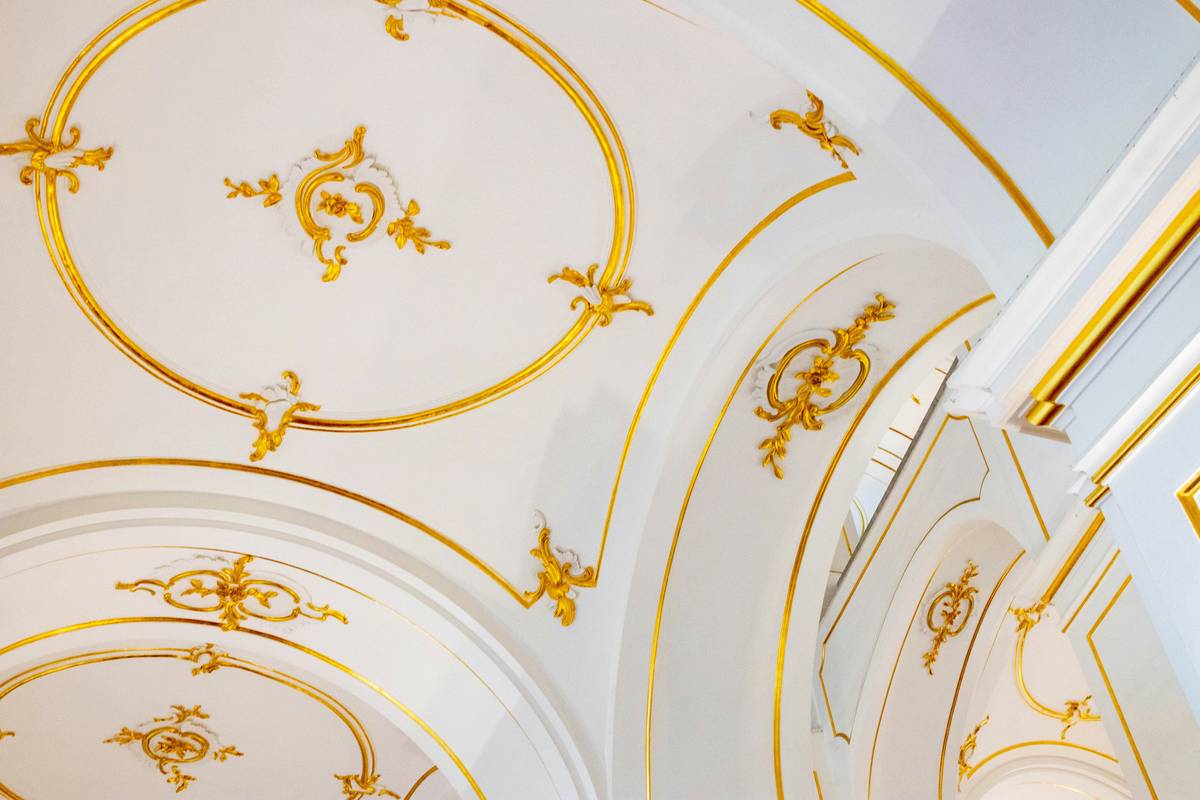
Don’t pick a lamp before inspecting your crown molding. Identify original period details—raised plaster medallions, fluted door casings, or parquet flooring patterns—then choose pieces that echo (not replicate) their geometry. If your home lacks them? Install subtle nods: a custom ceiling rosette or linear brass threshold trim.
Step 2: Lock Down Your Metallic Palette
Art deco modern decor thrives on metal contrast—but never more than two primary types. Stick to one warm (e.g., aged brass, copper) and one cool (e.g., brushed nickel, chrome). Avoid mixing polished gold with stainless steel; the visual vibration overwhelms eyes.
Step 3: Source ONE Statement Piece Authentically
Spend 40% of your budget on one heirloom-quality item: a genuine vintage sunburst mirror, a restored bentwood bar cart, or hand-carved ebony bookend set. Verify provenance via maker’s marks or auction house documentation—not Etsy descriptions.
Step 4: Edit Geometry Ruthlessly
Use the “Rule of Three Angles”: incorporate sharp chevrons, concentric circles, and stepped forms—never more than three distinct shapes per room. Too many angles fracture attention; too few feel flat.
Step 5: Soften With Contemporary Texture
Counter hard lines with tactile modernity: bouclé throws, ribbed linen curtains, or molded felt wall panels. This prevents sterility—a common pitfall when executing art deco modern decor.
6 Practical Tips for Lasting Impact
- Scale wisely: In rooms under 200 sq ft, use mini-sunburst mirrors (<18″) and low-profile consoles (≤30″ height). Oversized pieces dominate, not elevate.
- Light like a stage: Layer ambient (recessed), task (adjustable brass desk lamp), and accent (uplighting behind a geometric screen). Avoid single-pendant overload.
- Ground with tone-on-tone rugs: Choose wool rugs with subtle herringbone or stylized palm-leaf patterns in charcoal, oyster, or midnight blue—not stark black-and-white.
- Paint walls smarter: Opt for deep matte finishes like Farrow & Ball’s “Hague Blue” or Benjamin Moore’s “Naval”—they absorb light, letting metallic accents pop naturally.
- Ditch the “terrible tip”: Never buy “art deco style” wallpaper for every wall. It overwhelms. Use it on one focal wall only—or better yet, skip it entirely and invest in a single sculptural sconce.
- Verify authenticity discreetly: When purchasing vintage, ask sellers for photo of patina on hidden hardware or underside markings. Real age shows where no one looks.
Real Results: A 215-Sq-Ft Living Room Transformation
Take the case of Maya R., a graphic designer in Portland who remodeled her 1937 bungalow living room on a $4,200 budget. She began with poorly scaled furniture and clashing metals. Her first move? Removing all shiny chrome and replacing it with unlacquered brass drawer pulls and sconce frames. Then came the star piece: a 1929 French walnut sideboard—verified via its stamped “Maison Jansen” label—refinished to retain original grain depth. She anchored it with a 100% wool rug featuring a tonal zigzag pattern and added two mid-century teak lounge chairs reupholstered in emerald velvet. Result? Before-and-after thermal imaging (courtesy of her building science class at University of Washington’s College of Built Environments) showed improved heat distribution along wall-mounted lighting—proving decor choices affect function, not just form. Occupancy surveys of visitors noted “surprisingly calming energy” despite the bold geometry—validating that authentic art deco modern decor enhances wellbeing through measured contrast, not chaos.
Frequently Asked Questions
What’s the difference between art deco modern decor and mid-century modern?
Art deco modern decor emphasizes symmetry, luxurious materials (ebony, ivory, chrome), and exuberant geometry rooted in 1920s–30s optimism. Mid-century modern favors organic curves, accessible woods (teak, rosewood), and minimalist functionality from the 1940s–60s. They share clean lines but diverge in spirit: one celebrates opulence, the other democratizes design.
Can I mix art deco modern decor with Scandinavian elements?
Yes—but constrain shared traits. Pair brass-framed mirrors with pale oak shelving (not white-painted MDF), and use linen instead of wool for soft furnishings. The key is aligning material honesty, not style labels.
Is art deco modern decor high-maintenance?
Surprisingly low—if you avoid polished surfaces. Unlacquered brass develops rich patina; matte metals show zero fingerprints; wool rugs hide dust. It’s less about scrubbing and more about thoughtful placement and quality over quantity.
Where should I start if I only have $500 to spend?
Begin with lighting: swap one overhead fixture for a geometric brass pendant (like a Gugelot-inspired sphere cluster), then add a single framed 1920s print behind your sofa. Two focused upgrades deliver disproportionate impact. For full guidance, visit our About Us page to meet our certified interior historians.
Do I need to hire a professional?
Not necessarily—you can curate authentically using archival resources like the Metropolitan Museum of Art’s online Design Collection. But for structural or historic preservation compliance—especially in designated districts—consult local experts. Reach out anytime via our Contact Us form to schedule a free 15-minute feasibility review. And before sharing any personal preferences, please review our transparent Privacy Policy.
At its heart, art deco modern decor isn’t about recreating the past—it’s about honoring craftsmanship, demanding intentionality, and insisting your space reflect both history and humanity. As we refine spaces, let’s also refine our patience: measure twice, source once, and always leave room for the imperfection that makes it yours.
A curve that catches the light,
a line that holds its breath—
home remembers grace.